
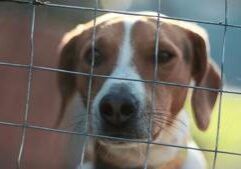
Illinois bill bars dangerous dog adoptions, forces behavior disclosures
(The Center Square) – An Illinois proposal would require shelters and rescues to register pet microchips in a national database before dogs and cats are adopted.
Microchips are already a standard requirement for pets adopted from shelters and rescue organizations in Illinois. Animals must be implanted with a microchip before leaving the facility, and adopters typically pay the cost as part of the adoption fee.
Supporters say Senate Bill 2891 would close gaps that currently make it difficult to reunite lost pets with their owners.
Lauren Malmberg, with the Illinois Animal Control Association, said animals are often implanted with microchips before adoption but the chips are frequently never registered or are registered to the shelter rather than the adopter.
“What’s currently happening is animals are getting microchips, but they’re not getting registered,” Malmberg said. “Or if they’re getting registered, they’re being registered to the entity that adopted them out and not the person they’re living with.”
Without proper registration, she said, shelters or animal control officers who scan a lost pet’s microchip may be unable to identify its owner.
“The microchip is supposed to identify who that animal is and hopefully where it belongs so it can find its way home,” Malmberg said.
Under the bill, shelters and rescue organizations would be required to register the microchip with a national database at the time of adoption rather than leaving the task to the adopter.
Malmberg said adopters already pay the cost of the chip and registration as part of the adoption process, but the registration step often goes unfinished once the animal goes home.
“In all the excitement of getting a new pet, it doesn’t get done,” she said.
The proposal would also require adoption agencies to disclose more information about animals before they are adopted. Current law requires disclosure of medical history, but the bill would add behavioral information, including whether an animal has bitten a person or killed another companion animal or livestock.
“If we know an animal has engaged in adverse behavior, that needs to be disclosed to the person considering adoption,” Malmberg said.
The bill’s most debated provision would bar shelters from adopting out dogs previously deemed dangerous by animal control or ruled vicious by a court. Opponents have largely focused their concerns on that restriction.
“Our mission is public safety as well as the proper treatment and care of animals,” she said. “Public safety is our priority, but we’re committed to working with the other side to see if there’s some agreement we can come to.”
Malmberg said discussions are underway to find language that balances public safety with the possibility of giving some dogs a second chance under appropriate circumstances.
Lawmakers advanced the bill from committee with the understanding that supporters and opponents would work on possible amendments.






Sunny
Latest News Stories

Signature process begins to ban large data centers in Ohio

U.S. Supreme Court agrees to hear veteran’s benefits challenge

Supreme Court declines to hear challenge to Illinois public transport gun ban

Illinois Quick Hits: Report says Pekin Bowling Center ‘taxed out of business’

Tiffany vows to end subsidies for data centers in Wisconsin

Roads & Bridges Committee Approves Over $120,000 for Local Bridge Infrastructure

Litchfield Approves 2026-2027 Student Fees, Mandates Shot Clock Workers in New Officials Pay Scale

Firefighter age bill stalled despite union backing

Williamsville’s Explosive Offense Overwhelms Litchfield in 16-0 Tournament Shutout

Finance and Budget Committee Reaps $11,444 Premium Refund, Shifts Administrative Expenses
Rochester’s Early Offensive Surge Overwhelms Litchfield in 10-0 Shutout

Lawmaker criticizes surplus spending bill
Clark’s Homer and Lurkins’ Shutout Power Greenville Softball Past Litchfield 15-0

Development Committee Advances Wind and Solar Ordinance Updates Amid Public Scrutiny