
Reentry housing bill draws support from advocates; debate centers on cost, public safety
(The Center Square) – Supporters of Illinois’ proposed “Homes for Good Act” say the measure could reduce recidivism and improve public safety by addressing one of the biggest barriers facing people leaving prison – stable housing.
Jennifer Vollen-Katz, executive director of the John Howard Association, said the initiative goes beyond simply providing housing assistance to formerly incarcerated people and instead takes a “holistic” approach to reentry.
“People are leaving prison with many different needs that are interconnected,” Vollen-Katz said. “If we want people to be successful, we’ve got to try and meet all of those needs.”
The bill expands affordable housing and reentry services for people leaving Illinois prisons, aiming to improve long-term outcomes by reducing homelessness and recidivism.
Critics warn it could strain already limited state resources.
Vollen-Katz said the program should be seen as a long-term investment, citing data that about 37% of people return to prison within three years, costing the state nearly $200,000 per return.
“If we invest up front on helping these people be successful when they leave prison and not recidivate, we will save that money,” she said. “Over time, that will lead to substantial savings for the state of Illinois.”
House Bill 5737 would fund the Home for Good program through state agencies starting in 2027, with the Illinois Housing Development Authority supporting housing development and rental subsidies, and the Illinois Criminal Justice Information Authority funding services like case management. Funds would be distributed to community-based organizations using an existing grant model.
The bill’s sponsor, state Rep. Maurice West, D-Rockford, did not immediately respond to a request for comment.
Supporters argue the legislation would improve safety outcomes by reducing homelessness among people leaving prison and connecting them with reentry services.
Opponents, however, question whether taxpayer-funded housing assistance should extend to individuals with serious criminal histories.
Vollen-Katz said stable housing is a key public safety tool because it reduces the likelihood of reoffending.
“Helping people leaving prison go forward productively enhances public safety,” Vollen-Katz said. “It is better for them and better for everybody else.”
Critics argue public housing assistance should have stricter eligibility rules based on criminal history, especially for violent offenses, to balance rehabilitation with public safety.
Vollen-Katz disagreed, saying conviction history alone doesn’t reliably predict future behavior and that many people do not reoffend due to rehabilitation and aging out of crime.
“Too often we exclude people based on their history without looking at who they are now,” she said, emphasizing the role of reentry programming and skill development in reducing risk after release.





Mostly Sunny
Latest News Stories

Montgomery County Prepares for Solar Ordinance Changes, Hires Tax Consultant for Renewable Energy Credits

Relentless Litchfield Attack Generates 41 Shots in 5-0 Road Win Over AGIC Co-op

New Berlin/Franklin/Waverly Stays Undefeated With 13-2 Win Over Litchfield

Park District Secures $12,000 for Memorial Pool Diving Board, Pursues $52,000 Restroom Grant
Litchfield Overwhelms Lanphier 15-0 Behind Explosive Offense and Combined Shutout
Harmon’s Brace, Reid’s Shutout Propel Litchfield Girls Soccer Past Jacksonville 5-0

Litchfield Women Capture Title, Men Take Second at North Mac Outdoor Meet

Collinsville Walks Off Litchfield 7-6 in Seventh-Inning Thriller
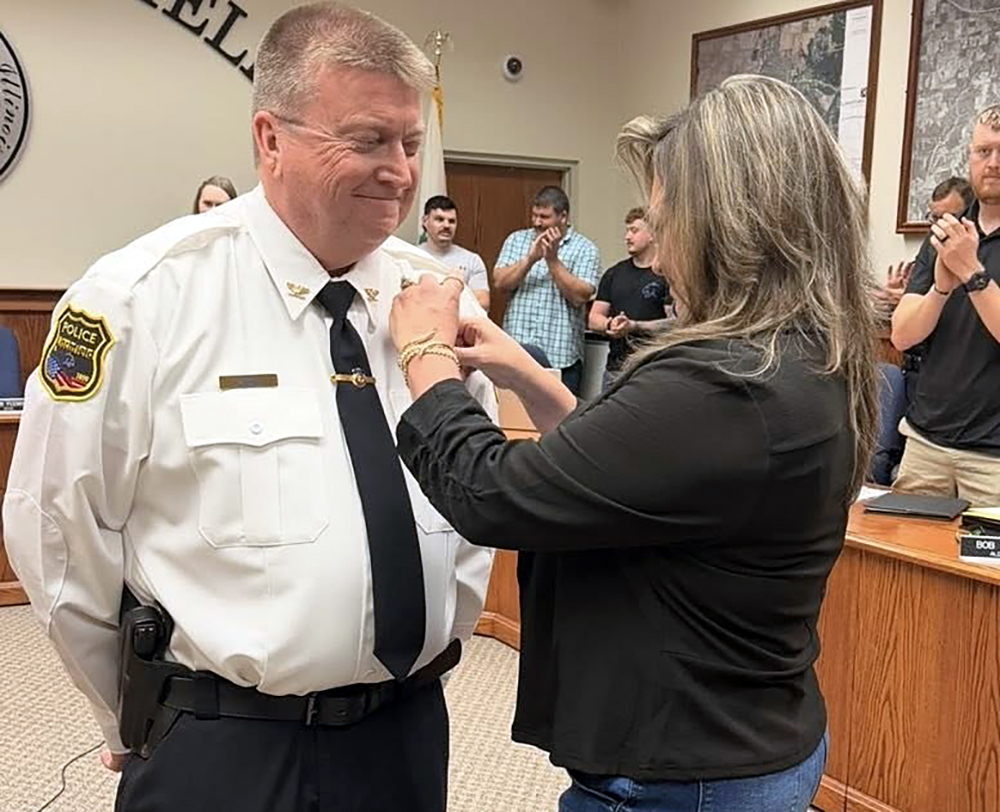
New Litchfield Police Chief Sworn In as Fire Department Lauded for Containing Massive Bowling Alley Blaze
Montgomery County Board Approves $300,000 Highway Truck Loan, Allocates Coal Funds for Upgrades

Litchfield Firefighters Save Residence After Intense Camper Fire Threatens Nearby Structures
Litchfield Firefighters Extinguish Out-of-Control Kitchen Fire at Kirk Drive Apartment Complex
White House calls on Pritzker to cooperate with ICE
Montgomery County Board Approves 54 Percent Salary Benchmark for Elected Officials After Debate