Report: U.S. added $1.2 trillion to national debt in six months
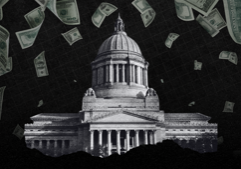
The U.S. government added $1.2 trillion to the national debt over the past six months, borrowing $163 billion during March alone, the Congressional Budget Office reports.
At the current rate of borrowing, federal deficits are on track to top $2 trillion by October, the end of the current fiscal year.
But the president’s recent budget request – which lawmakers will use as a blueprint for the 12 fiscal year 2027 appropriations bills – calls for $2.1 trillion in discretionary spending alone, without touching entitlement program spending.
“Both Congress and the President continue to ignore the urgent need to get our borrowing under control,” Maya MacGuineas, president of the Committee for a Responsible Federal Budget, said in a statement.
“As lawmakers consider the budget process for the upcoming fiscal year, we hope that they come up with plans to reduce deficits from the too-high 6% of GDP to a more sustainable 3% of GDP; secure our nation’s ailing trust funds for Social Security, Medicare, and highways; and ultimately fix the broken process that got us into this mess.”
Though CBO’s latest deficit estimate is $139 billion less than the amount recorded during the same time period last year, that is in large part due to increased tariff revenues and individual income or payroll taxes.
Federal spending, on the other hand, increased by $84 billion, mostly due to growing entitlement programs like Social Security, Medicare and Medicaid.
The government also collected 28% less in taxes from U.S. corporations over the last six months due to Republicans’ budget reconciliation bill – the “One Big Beautiful Bill” – which expanded deductions for certain corporate investments.
Yet despite repeated warnings from budget watchdogs, congressional action on soaring federal deficits and the over $39 trillion national debt ultimately hasn’t progressed past vigorous handwaving from a small group of Republicans.
Although the OBBB reduced federal spending by roughly $1 trillion over the next decade via entitlement program reforms, the savings only offset about a third of the bill’s $3.4 trillion ten-year cost.
Congress then sidestepped the automatic spending cuts to Medicare and other programs that are triggered by unpaid-for federal borrowing by wiping the Pay-As-You-Go (PAYGO) scorecard in November.
As House lawmakers return next week to begin hashing out appropriations funding and a second budget reconciliation bill, CRFB, the Cato Institute, and other budget watchdog groups are urging them to find at least $600 billion in savings.





Showers And Thunderstorms
Latest News Stories
Pritzker signs Clean Slate Act to automatically seal some criminal convictions

Park Board Approves 2026 Events Calendar, Considers Kilton Fund Projects

Ad Hoc Committee Finalizes Recommendations for State Property Tax Study

Elite private colleges can’t cap off price-fixing collusion class action
Illinois Quick Hits: GOP gubernatorial forum set for Monday

WATCH: Ives investigates tax dollars for NGOs; Republicans say Pritzker raising energy prices

ICE hiring ban bill reignites SAFE-T Act fight at Illinois Capitol
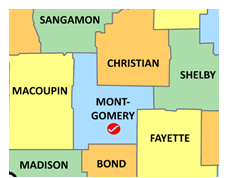
County Engineer Raises Concerns Over “Irresponsible” Bridge Contractor

Board Approves New Labor Contracts for Circuit Clerk, Assessment Employees
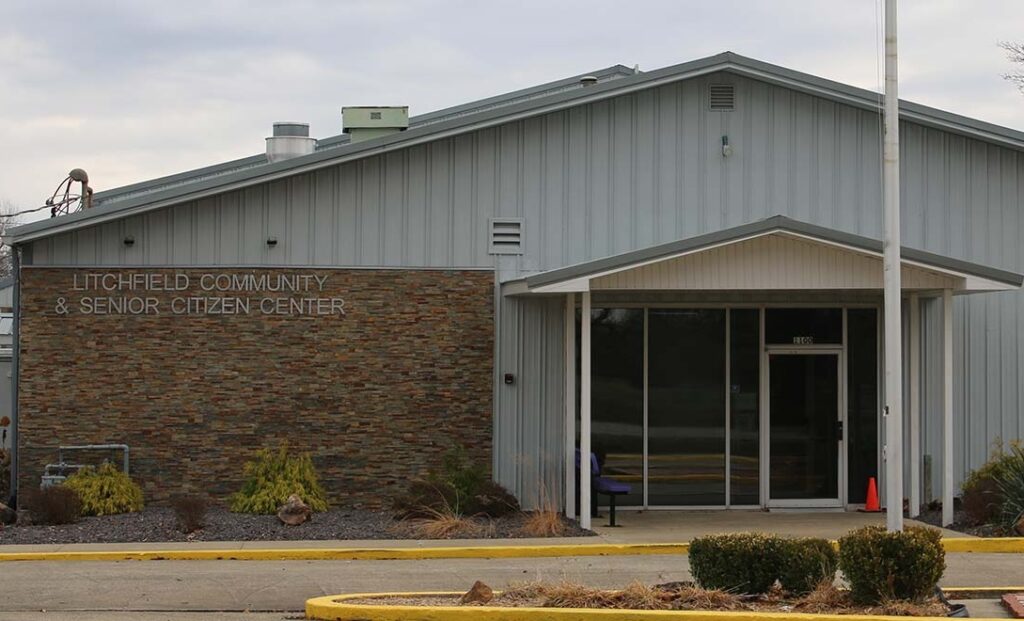
Litchfield Park District Weighs Contracting Concrete Work for Facility Upgrades
Meeting Summary and Briefs: City of Litchfield for January 6, 2026
Retirements and resignations to impact midterms as balance of power at stake