
Michigan charges dentist in alleged ‘massive’ Medicaid fraud scheme
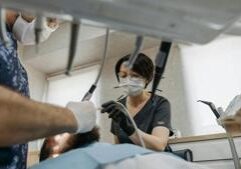
Michigan Attorney General Dana Nessel continues pursuing fraud cases across the state, announcing charges against a Macomb County dentist in what prosecutors described as a “massive” Medicaid fraud scheme.
Faddi S. Salim, 37, of Troy, was recently arraigned in East Lansing on one count of conducting a criminal enterprise and 131 counts of Medicaid fraud.
The charges stem from allegations that Salim billed the taxpayer-funded Medicaid program for dental crowns that were unnecessary or never provided. Each Medicaid fraud count carries a penalty of up to four years in prison and fines of up to $50,000, while the criminal enterprise charge is a 20-year felony.
Prosecutors allege Salim repeatedly submitted claims for large numbers of crowns on individual patients, in some cases exhausting their annual Medicaid benefits. Some patients later discovered they were no longer covered for needed procedures because those benefits had already been used.
“Flagrant abuse of the Medicaid program diverts critical funds from patients in need,” Nessel said. “My office remains committed to investigating and prosecuting those responsible for fraudulent schemes.”
Salim was granted a $50,000 personal recognizance bond and is scheduled to appear in court again May 1.
The case is being handled by the attorney general’s Health Care Fraud Division, which serves as Michigan’s federally certified Medicaid Fraud Control Unit and is primarily funded through federal grants from the U.S. Department of Health and Human Services.
The charges come as state lawmakers raise broader concerns about fraud, errors and oversight across Michigan’s public assistance systems, which collectively serve millions of residents and account for billions in spending.
A recent report from the Michigan House Oversight Subcommittee on State and Local Assistance Programs found weaknesses in how the state administers benefits, including Medicaid, food assistance and cash aid programs.
The system, known as MiBridges, manages a range of programs beyond Medicaid, including the Supplemental Nutrition Assistance Program, the Family Independence Program, Women, Infants and Children benefits, child care assistance and state emergency relief.
Subcommittee Chair Jason Woolford said the investigation focused on whether those programs are effectively protecting taxpayer dollars.
“Oversight in government is a critical check for the people, because it ensures they are well-served by transparent and efficient government services and programs,” Woolford said. “We need to root out any waste, fraud and abuse in these systems to help benefits get to those who truly need them.”
As previously reported by The Center Square, the report found the application process relies heavily on self-attestation and back-end verification, with minimal upfront documentation required to apply for benefits.
“The problem is not just fraud, it is also systemic error,” the report stated.
Lawmakers have proposed a series of reforms to the system to cut back on some of these errors and fraud, including requiring more upfront verification from applicants, adding chip-enabled Bridge cards, implementing photo identification requirements, and expanding interstate data-sharing to prevent duplicate benefits.





Sunny
Latest News Stories

U.S. colleges report $5.2B in foreign funds for 2025

U.S. farm bill drops, outlines 5-year funding

Group: Raising minimum wage could cause drastic inflation

Denver City Council members advance bill to ban ICE masks

U.S. Ed Dept. investigates Puyallup wrestler’s sexual assault allegation by trans athlete

FRESH program would provide one-time SNAP cash; critics question cost

Partial government shutdown imminent as Congress leaves town
Illinois Quick Hits: Man sentenced for robbing postal worker

Sultan in Epstein files resigns, global turmoil continues

Temporary protected status terminated for Yemen nationals

Advocates argue new data center restrictions might close Illinois market
Woman wants RFK Jr. to add COVID vaccine to injury table