Trump: Strikes on Iran could be ‘winding down’
The U.S. is “very close” to meeting objectives in Iran, President Donald Trump said Friday, while providing a glimpse of the region after military strikes cease.
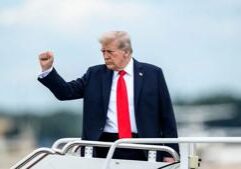
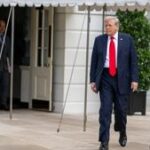
The president added that the U.S. is considering “winding down” military operations in the region. He made the comments in a Truth Social post Friday evening after fielding several questions from reporters outside the White House on his way to Florida.
Trump cited several reasons as he considers “winding down” the strikes, including the “degrading” of the Islamic Republic’s missile capabilities, the destruction of their defense industrial system and the elimination of their navy and air force.
He underscored that Iran will never “get even close to nuclear capability,” allowing the U.S. to “quickly and powerfully react to such a situation, should it take place.”
The president noted ongoing tension in the international community over securing the Strait of Hormuz, the vital shipping passage connecting the Persian Gulf and the Gulf of Oman.
“Protecting, at the highest level, our Middle Eastern Allies, including Israel, Saudi Arabia, Qatar, the United Arab Emirates, Bahrain, Kuwait, and others. The Hormuz Strait will have to be guarded and policed, as necessary, by other Nations who use it – The United States does not! If asked, we will help these Countries in their Hormuz efforts, but it shouldn’t be necessary once Iran’s threat is eradicated. Importantly, it will be an easy Military Operation for them,” the president wrote.
The latest development comes as the operation marks three weeks since strikes began. Multiple reports indicate that several thousand Marines are en route to the region; however, Trump refused to confirm them.
The closure of the Strait of Hormuz has taken center stage this week as NATO allies have sparred with Trump over commitments to help secure the strait.
However, on Thursday, France, Germany, Italy, Japan, the Netherlands and the United Kingdom released a joint statement condemning Iranian attacks while expressing “readiness to contribute to appropriate efforts to ensure safe passage through the Strait.”
Trump has been putting international pressure on countries, including China, Japan, South Korea, and NATO members, to step in and help secure the Strait of Hormuz, which connects the Persian Gulf and the Gulf of Oman.
The president has underscored that Japan imports about 95% of its oil from the region, with China close behind at 90% and South Korea receiving about 35%, while the U.S. imports less than 1% from the Strait of Hormuz.
In the last few days, the president has expressed his disappointment with NATO countries’ reluctance to do more to secure the strait – at times claiming that the U.S. doesn’t need NATO.
On Tuesday, The Center Square asked the president in the Oval Office whether he is rethinking the U.S.’s relationship with NATO.
“Well, I’m disappointed in NATO that we spend trillions of dollars on NATO. Think of it, trillions over the years … It’s one of the reasons we have deficits and we help other countries when they don’t help us,” Trump told The Center Square. “I mean, it’s certainly something that we should think about. I don’t need Congress for that decision … I can make that decision myself.”
The president reiterated his frustration with NATO Thursday morning, saying that NATO is “getting much nicer” since his comments. Though Trump indicated it may not be enough. “As far as I’m concerned, it’s too late.”




Sunny
Latest News Stories
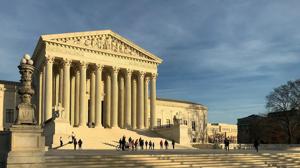
Supreme Court upholds preacher’s First Amendment lawsuit

United, American clash at O’Hare as growth strains capacity
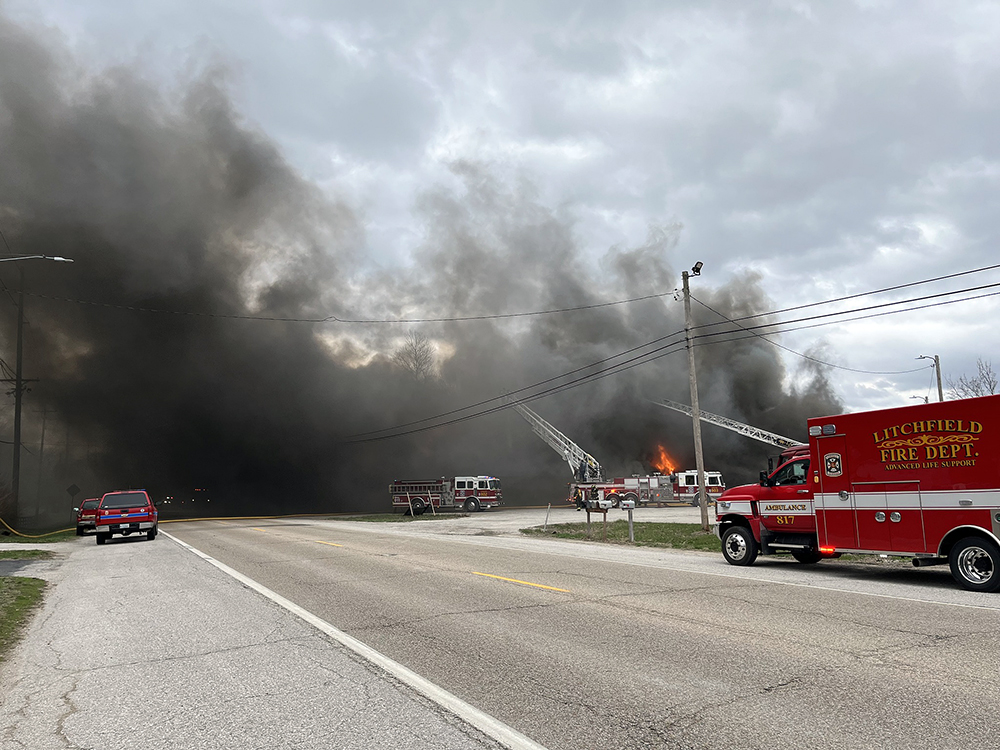
Litchfield Bowling Alley Destroyed in Massive Second-Alarm Blaze; Mutual Aid Prevents Spread During High Winds

Chloe Law’s Hat Trick, Three Assists Power Litchfield Soccer to 7-0 Rout of Jersey

Litchfield Uses Three-Run Fifth Inning to Defeat Greenfield/Northwestern, 5-2

Witt’s Perfect Day at the Plate, Strong Pitching Lift Litchfield Past Southwestern 8-2

Google Gemini face scans violate IL biometrics law: Class action
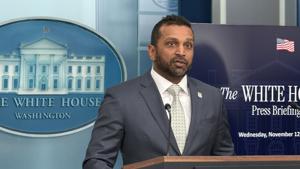
House members raise concerns about Islamic terrorist threats 25 years after 9/11
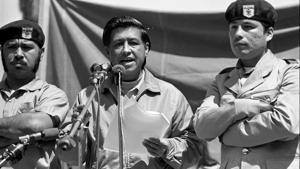
Officials react swiftly to allegations about Cesar Chavez

Lack of Homeland Security funding hits maritime workers

Arizona legislators promote new gun rights and safety bills
Change in anti-drug policy consideration after bombing Venezuelan boats