Lack of Homeland Security funding hits maritime workers
Employees of the Transportation Security Administration are not the only ones working without a paycheck during the partial government shutdown.
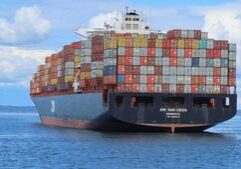
The same goes for Vessel Traffic Service operators, civilians who monitor and direct boat traffic. VTS is operated by the U.S. Coast Guard, which is overseen by the Department of Homeland Security. DHS has gone without funding during the shutdown.
Capt. John Carlier, president of the San Francisco Bar Pilots, commended the VTS operators. He called them a critical piece of the system, ensuring the safety of the San Francisco Bay and the many vessels navigating its waters.
“Protocols are in place for when VTS is operating at a reduced capacity, so there is not an absence of communication,” Carlier told The Center Square. “Pilots can still navigate commercial ships safely, but the system functions best when there is VTS in place coordinating between ships, ferries, and recreational traffic on the water.”
Bar pilots are mariners who navigate vessels through waters across the sandbar at the entrance of a harbor.
Carlier added that another crucial aspect of VTS is maritime domain awareness, something he said provides a wealth of knowledge about the regional maritime domain and items that could potentially impact the Bay Area’s security, economy or environment.
“We look forward to seeing this situation resolved with expediency so the San Francisco Bay and its associated waterways can continue to function safely and efficiently,” said Carlier.
Scott Humphrey, executive director of the Marine Exchange of the San Francisco Bay Region, would also like to see these workers get paid.
Humphrey said the Bay Area is expensive and “a lot of folks drive you know up to an hour or so to get to work.”
AAA has the state average for a gallon of regular gasoline at $5.16. California continues to have the highest prices in the nation, and gas prices have kept rising since the start of the U.S.-Israeli conflict with Iran. The national average on Thursday was $3.88.
“They’re driving up to an hour to get to work, and when they get to work, they realize they just burned an hour’s worth of gas,” Humphrey said.
Meanwhile, the shifts or watches are 12 hours long.
Today, there are approximately 8,000 TSA employees in California. The number of VTS operators in the Bay Area is around three dozen. Because they are a smaller group, Humphrey is concerned they might be overlooked.
“We need to get them paid before something happens,” said Humphrey. “They have to be stressed out.”
The partial government shutdown began Feb. 14.


Sunny
Latest News Stories

M.A.K.E.-I.T. Program Hits Capacity, Announces “Diggin’ It” Summer Theme

Pana Community Hospital Hosting Interactive Protein and Heart Health Class

City Approves 24-Hour Ice Vending Machine and Kayak Kiosk for Lake Lou Yaeger
Emergency Funds Authorized for Middle School/High School Water Heater Replacement

City Updates School Resource Officer Agreement to Comply with New State Laws
Board Updates School Resource Officer Agreement to Comply with State Law

Extension to Host “Smart Snacking” Class at JCH Wellness Center
Water Quality Returning to Normal Following Chlorine Maintenance
Report Warns of “Credible Risk” of Power Shortages in Ameren Territory by 2031

Litchfield Board Approves 2026-2027 Calendar, Opts to Hold School on Casimir Pulaski Day
Highway Department to Purchase Two Trucks for $615,000
Council Rejects Sale of American Legion Building, Plans Future Improvements