Illinois roads, bridges lag behind rest of the nation
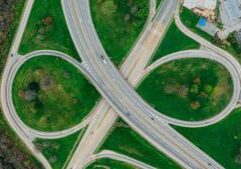
(The Center Square) – Illinois’ roads and bridges continue to lag behind most of the country, ranking 37th overall in the Reason Foundation’s 29th Annual Highway Report, a drop of one spot from last year.
For Illinois taxpayers, the findings raise questions about whether the state is getting enough value for its transportation spending. Illinois improved its capital and bridge spending ranking from 45th to 35th and its maintenance spending from 24th to 18th, but still trails most neighboring states in overall performance.
Baruch Feigenbaum, the foundation’s senior managing director of transportation policy and lead author of the report, said the state’s biggest weaknesses are clear. He pointed to poor rural pavement conditions and heavy congestion as the most pressing issues.
“I think the one takeaway is that Illinois has been pretty consistent as a middling performer in this report over the last 10 years. If the state wants to improve, it needs to make some of the changes we discussed. This is not a one-time blip,” Feigenbaum said.
Illinois ranks 33rd in urban pavement condition and 34th on urban interstates but falls to 46th for rural pavement. The state also ranks 41st for structurally deficient bridges, a problem that often leads to costly repairs and long-term construction.
Feigenbaum said the report found a national trend – states tend to perform better when they have growing populations, lower labor costs and maintenance programs that prioritize projects based on cost-benefit analysis.
“I think the implication is that the state could be doing a better job using transportation funding, particularly fuel taxes, to maintain roadways and improve roadways,” Feigenbaum said. “What this shows is that the systems that the state has in place are not doing a great job at improving bridges, which is one of the most important things that IDOT does or improving pavement condition.”
Congestion remains a major burden for residents. The report estimates drivers spend about 46 hours a year stuck in traffic, placing Illinois 44th nationally. Time lost in traffic translates into higher fuel costs and reduced productivity.
Feigenbaum said policy changes could help improve the state’s highway system, including a stronger focus on cost-benefit analysis when selecting projects.
“Seeing if there’s opportunities for reorganization, seeing if the state could be doing a little bit more with contracting public-private partnerships, innovative delivery, those are all practices that many of the leading states use that Illinois does not use that extensively,” Feigenbaum said.
Illinois also ranks 23rd in urban fatality rate and 25th in rural fatality rate, with the rural rate worsening from the previous year, adding another area of concern.






Sunny
Latest News Stories
Supreme Court upholds preacher’s First Amendment lawsuit
United, American clash at O’Hare as growth strains capacity
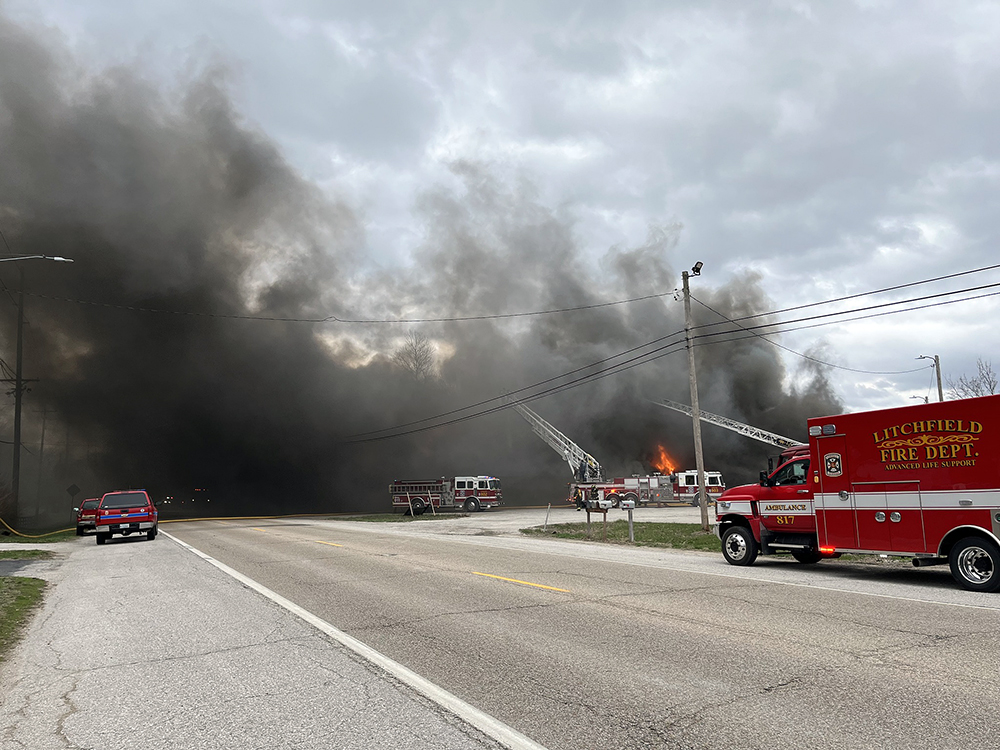
Litchfield Bowling Alley Destroyed in Massive Second-Alarm Blaze; Mutual Aid Prevents Spread During High Winds

Chloe Law’s Hat Trick, Three Assists Power Litchfield Soccer to 7-0 Rout of Jersey

Litchfield Uses Three-Run Fifth Inning to Defeat Greenfield/Northwestern, 5-2

Witt’s Perfect Day at the Plate, Strong Pitching Lift Litchfield Past Southwestern 8-2

Google Gemini face scans violate IL biometrics law: Class action

House members raise concerns about Islamic terrorist threats 25 years after 9/11

Officials react swiftly to allegations about Cesar Chavez

Lack of Homeland Security funding hits maritime workers

Arizona legislators promote new gun rights and safety bills

Change in anti-drug policy consideration after bombing Venezuelan boats