
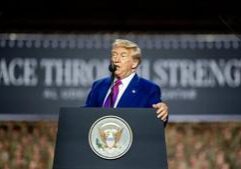
Trump announces new tariffs with ‘certainty’ after Supreme Court ruling
President Donald Trump announced a new round of tariffs on Friday after the U.S. Supreme Court invalidated most of the tariffs underpinning his economic agenda.
Hours after the Supreme Court reined in Trump’s use of a 1977 law to impose tariffs on imports from around the world, the president said he would use other laws to impose a 10% global tariff. He also said the ruling could allow for even higher tariffs under those other laws.
“Their decision is incorrect,” he said. “But it doesn’t matter because we have very powerful alternatives.”
The 10% levy on imported goods would be significantly lower for many countries that negotiated deals with Trump. The only country that got a 10% tariff was the United Kingdom. All other nations negotiated deals for 15% or higher. In return, those nations promised to invest in U.S. projects.
The president spent months warning that an adverse ruling would have sharp economic consequences. He changed course on Friday and said the new round of tariffs would keep most of his trade deals in place through other laws that allow more limited tariffs.
Treasury Secretary Scott Bessent said the administration will restructure the sweeping import taxes under other legal authorities.
“This administration will invoke alternative legal authorities to replace the IEEPA tariffs,” he said. “We will be leveraging Section 232 and Section 301 tariff authorities that have been validated through thousands of legal challenges.”
Trump also said he wasn’t looking for help from Congress. Instead, he will lean on executive authority to issue the next round of tariffs. He said several times that those tariffs would be certain. Asked whether the new tariffs would be limited to 150 days by law, Trump didn’t directly answer the question.
The high court decision effects Trump’s tariffs enacted under the 1977 International Emergency Economic Powers Act. Trump had used the law to impose tariffs on nearly every imported product from every country.
Americans ended up paying billions of dollars in taxes on those imports, according to recent research.
The Supreme Court, divided 6-3, held that the law didn’t give Trump expansive tariff powers to tax goods entering the country. Justices Clarence Thomas, Brett Kavanaugh and Samuel Alito dissented. The majority ruled that Trump’s tariffs violated the major questions doctrine, which holds that Congress must speak clearly when it grants significant powers.
“The Framers gave ‘Congress alone’ the power to impose tariffs during peacetime,” Roberts wrote for the majority.





Sunny
Latest News Stories

Litchfield City Council Switches Employee Health Insurance to United Healthcare, Secures Projected 13 Percent Savings
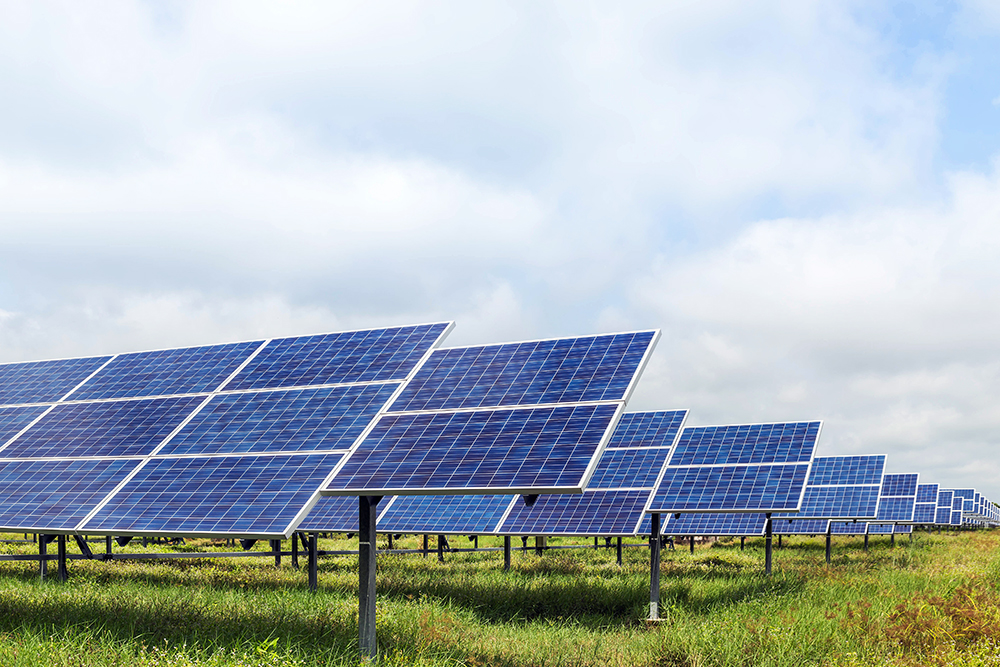
Montgomery County Prepares for Solar Ordinance Changes, Hires Tax Consultant for Renewable Energy Credits

New Berlin/Franklin/Waverly Stays Undefeated With 13-2 Win Over Litchfield

Park District Secures $12,000 for Memorial Pool Diving Board, Pursues $52,000 Restroom Grant
Litchfield Overwhelms Lanphier 15-0 Behind Explosive Offense and Combined Shutout

Litchfield Women Capture Title, Men Take Second at North Mac Outdoor Meet

Collinsville Walks Off Litchfield 7-6 in Seventh-Inning Thriller

New Litchfield Police Chief Sworn In as Fire Department Lauded for Containing Massive Bowling Alley Blaze

Montgomery County Board Approves $300,000 Highway Truck Loan, Allocates Coal Funds for Upgrades

Litchfield Firefighters Save Residence After Intense Camper Fire Threatens Nearby Structures

Litchfield Firefighters Extinguish Out-of-Control Kitchen Fire at Kirk Drive Apartment Complex
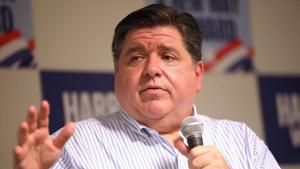
White House calls on Pritzker to cooperate with ICE
Montgomery County Board Approves 54 Percent Salary Benchmark for Elected Officials After Debate