
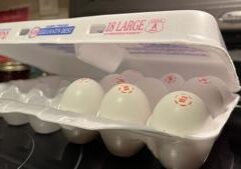
FRESH program would provide one-time SNAP cash; critics question cost
(The Center Square) – As new federal work requirements for the Supplemental Nutrition Assistance Program take effect this month, Illinois lawmakers are considering a state-run program that would provide cash assistance to families whose benefits are reduced or stopped for failing to meet the rules.
House Bill 4730, known as the Families Receiving Emergency Support for Hunger program, would offer one-time payments to eligible households via EBT card.
Payments would be calculated in one of two ways – if SNAP is reduced, the household would receive three times the difference between their former benefit and the reduced amount; if SNAP is terminated, families would receive three times their last full monthly benefit.
TCS reached out to bill sponsor state Rep. Dagmara Avelar, D-Bolingbrook, for comment but did not receive a response.
Brian Costin is the state director for Americans for Prosperity-Illinois.
“I’m skeptical of lump-sum payments like this. There’s little evidence that giving recipients a large amount at once is effective policy. Suddenly, recipients would have a large sum on their EBT card, which could create even more opportunities for fraud than exist now. Illinois should be focusing on SNAP fraud and program integrity, which could have major financial impacts if left unaddressed,” said Costin.
Costin emphasized the importance of integrating able-bodied adults without children into the workforce or volunteer activities, pointing to bipartisan welfare reforms in the 1990s as a model.
“We should be helping people re-enter life and not warehousing them in dependency and calling it compassion,” he said. “It’s not empowerment to trap people in welfare forever.”
The 1996 bipartisan welfare reforms, often called the Gingrich-Clinton reforms, overhauled the U.S. system and limited most recipients to five years of federal assistance.
Costin raised concerns about both the program’s structure and its potential long-term implications.
“This could easily become a permanent program, even though it’s set to expire in 2028,” he said. “Is this something that they’re trying to do permanently, or is this kind of like a short-term political gimmick? Maybe they’re just trying to get a press pop about doing something to counter federal cuts under Trump,” said Costin.
Costin also pointed to Illinois’ ongoing struggles with SNAP fraud and program errors.
“Illinois already has higher-than-average error and fraud rates,” he said. “Adding a new program on top of that, without fixing the existing system, is throwing more taxpayer money into a broken program.”
According to U.S. Department of Agriculture data, Illinois’ SNAP payment error rate reached about 11.56% in fiscal year 2024, higher than the national average of roughly 10.93% and worse than in most other states.
The elevated error rate has significant consequences. Under recent federal changes, states with error rates above 10% could be required to reimburse a substantial share of SNAP benefits, potentially costing Illinois hundreds of millions of dollars if the rate isn’t reduced.






Sunny
Latest News Stories

Illinois Quick Hits: Rockford sex abuse suspect arrested

Lawmakers concerned over taxpayer burden of Iran conflict

Pritzker pushes back on Megaproject tax concerns
Measles spreads across some Southwestern states
EXCLUSIVE: Inside one Michigan town’s fight against solar expansion

Trump demands unconditional surrender from Iran, mentions regime change

Illinois pols react to Homeland Security secretary’s exit, reassignment

Illinois quick hits: Appeals court vacates use of force injunction; Charges filed for possession of sex abuse materials; Gas prices keep rising

U.S. cut 92,000 jobs in ‘dismal’ February report, unemployment 4.4%

Litchfield City Council Approves Emergency Water Plant Repairs, Pursues Federal Grants for $4.6 Million Overhaul

Turmoil in Texas: Concerns for Paxton to drop out, Gonzales drops reelection bid

HHS and DOC announce nutrition education initiative for medical schools