Legal scholars clash over climate lawsuits against energy companies
A panel of legal scholars and lawyers argued Thursday over what a growing wave of climate lawsuits really represents: a legitimate use of courts to resolve alleged harms and costs tied to emissions, or an attempt to shift climate policymaking from elected branches to judges and juries.
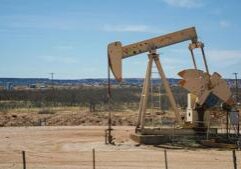
The panel, hosted by the Civitas Institute at the University of Texas at Austin, focused on state and local lawsuits filed over the past decade – largely brought in state courts under state law – seeking to recover climate-related costs such as infrastructure adaptation and disaster response from fossil fuel companies.
Moderator John Yoo, of the Civitas Institute and UC Berkeley, said the cases raise a threshold governance question: “Which branch of government, which level of government, is the appropriate place to regulate these issues,” regardless of where people fall on the science.
Jonathan Adler, an environmental law professor at William & Mary, argued the cases fit within a long legal tradition of using nuisance and tort law to address pollution harms and that courts shouldn’t shut them down at the outset unless Congress clearly says they’re barred.
“Generally, when it comes to tort law, we let plaintiffs try and make their case,” Adler said, though he added he is “very skeptical” plaintiffs can meet the burden of proving specific, local damages traceable to specific defendants.
Adler’s core legal point centered on federal supremacy and preemption – whether federal environmental statutes crowd out state law claims. He said federal law can displace federal common-law nuisance claims, but it does not automatically preempt state tort claims unless Congress expressly does so.
“All it means is that there’s no legal basis at the front end to say these cases are preempted and have to go away now,” Adler said, describing that threshold issue as a major battleground in the litigation.
Todd Zywicki, a George Mason University law professor, argued the lawsuits invite courts to do something tort law was never designed to do: make nationwide energy and climate policy through scattered state-court rulings. He called that a difference “in kind,” not just degree, from traditional nuisance disputes.
“There is a pretty big difference… between some guy who wants to run a pigsty… and the ability to re-engineer the entire American economy and society,” Zywicki said, warning that if one jurisdiction can sue over global emissions, “basically anybody anywhere can bring one of these… lawsuits,” which he called “cockamamie.”
Michael Toth, a research director for Civitas Institute, argued many of the municipal cases are not simply local regulation but an effort to apply one state’s law to conduct and regulate emissions across the country, raising federalism and constitutional problems. If courts allow that approach, he said, companies could be stuck under a state’s rules even if they avoid the state entirely. “Like Hotel California, and you can never check out,” Toth said.
Adler, while doubtful the lawsuits are a good way to address climate change, said the fix should come from lawmakers rather than courts. “Congress could make all these cases go away,” Adler said. “Why isn’t that legislation been introduced? … why are they, instead, asking courts to play policymaker?”





Sunny
Latest News Stories

These are the members of Congress who voted against disclosing sexual harassment claims

Illinois Quick Hits: Pritzker to Noem: ‘Don’t let the door hit you’
Chicago police monitor Iran-U.S. conflict; public advised to be aware
Illinois secretary of state wants nearly 2% budget increase

Illinois Quick Hits: Suspect arrested in connection with East St. Louis killing

Meeting Summary and Briefs: Litchfield Park District for Feb. 4, 2026
Oil cos. ask to pause Chicago climate ‘deception’ suit til SCOTUS weighs in
Illinois quick hits: Ex-Carlyle Police Chief faces federal embezzlement charges;

Lawmaker proposes property tax credits as housing debate continues

Illinois municipalities push for local fuel tax as gas prices rise
Illinois lawmaker supports EPA rollback; AG opposes
Illinois Quick Hits: Report shows Illinois with highest U.S. tax rates